
There are several reasons why people need to have their elderly family member admitted to a senior memory care center. The reasons can be that they require increased safety as well as help and support to perform their daily routine activities. These include grooming, feeding, intake of medications, etc. Moreover, they may require specialized care for dementia or Alzheimer’s disease. Furthermore, their challenging behaviors, like wandering or agitation, have to be managed. Admission to senior memory care institutions like those managed by Star Capital helps seniors deal with these challenges in a caring and helpful way. Trained and qualified caregivers provide them support in a loving and structured environment. This helps make a significant difference in the lives of seniors with memory challenges.
A senior memory care facility is a specialized residential setting. Such facilities are often located within the larger assisted living or skilled nursing homes. They provide secure care for seniors with Alzheimer’s disease or other forms of dementia on a 24/7 basis. They have trained staff. Moreover, they follow structured routines and perform memory-enhancing activities for the residents.
They have requisite safety designs in place to manage cognitive decline and wandering behaviour in seniors while improving their quality of life. Environments in these facilities emphasize minimizing stress and maximizing independence in residents through personalized support and therapies.
A typical day in memory care consists of structured routines and personalized activities. Moreover, emphasis is laid on providing compassionate support to seniors. Here, the community members are surrounded by people, programs, and spaces from morning to night. The programs, spaces, and caregivers are designed to help community members thrive.
The activities that seniors participate in at a memory care facility are divided into three categories on the basis of time.
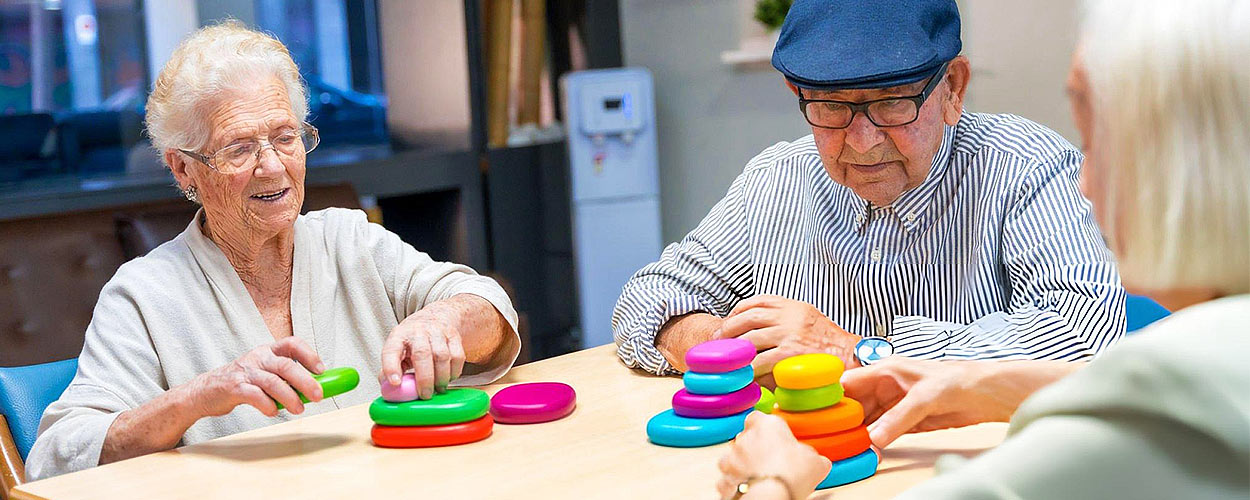
As the elderly with dementia perform activities in the morning, caregivers focus on maintaining consistency and providing warmth to them. They ensure the activities that seniors perform every morning are familiar to them. Moreover, the activities should give them comfort and follow the established routine. Their morning activities mainly revolve around these three significant components.
Preparing for the day
Caregivers offer gentle support to every community member to help them start their morning. They devote time to learn the personal preferences and needs of the residents. Some of them may like to spend their time in a quiet manner before taking breakfast. Others may like to chat with other residents as they get dressed.
The team of caregivers assists every senior with grooming and hygiene, irrespective of their particular interests. Moreover, they encourage independence whenever possible. Caregivers do everything required to reduce anxiety in seniors. This includes adjusting the lighting and changing the tone of their voice. This helps prepare seniors for the day ahead.
Breakfast
Caregivers ensure that the food served to residents for breakfast is thoughtfully prepared and nutritious. This is important for supporting their health. Breakfast choices are simple, warm, and nourishing. They are tailored as per the specific tastes and needs of seniors. The atmosphere of the dining room becomes vibrant with greetings from friends and caregivers, the sound of plates, and the aroma of freshly prepared coffee and tea.
Mealtimes are not only about food, but they also help build connections among seniors. Caregivers can support the elderly by cutting food or offering reminders to them. Moreover, they can help start conversations. Furthermore, they may share a few laughs with them.
Post-breakfast morning activities
After the breakfast session is finished, the morning routine continues with light activities. Seniors perform gentle stretching exercises, or they may go for a walk with peers. They may also take part in various cognitive games like sorting tasks or memory challenges. This helps stimulate their mind. These moments are designed with a purpose to ignite their memories and encourage them to focus.
The afternoon programs and activities for community members in a memory care for seniors facility are thoughtful. They are designed to align with their interests and energy levels. Their purpose is to promote creativity, connection, and exploration among the community members.
Group Activities
Social wellness is as important as physical health. For this reason, activities in the afternoon revolve around group gatherings like sing-alongs. They can also feature guided conversations or storytelling sessions. It is the sole discretion of members whether to join these activities or not.
These activities are held in a room with welcoming energy. Moreover, caregivers provide gentle guidance to the seniors as they perform them. The experiences shared among them help strengthen bonds among community members.
Creative Expression
These activities center around hands-on hobbies, including preparing cookie dough, painting, or gardening. They give a sense of purpose to participants and help them express themselves.
The programs are designed to accommodate everyone in the activities. The joy of the process matters and not the results obtained from the activities. Caregivers not only celebrate the creativity of individuals but also provide them with structure and encouragement.
Daily Needs
Caregivers provide personalized support to the community members throughout the afternoon as they perform various tasks. They include toileting, mobility, hydration, administration of medications, etc. The training imparted to caregivers helps them identify any subtle signs of discomfort among seniors. Therefore, they respond with kindness, love, and patience whenever required.
The activities carried out during evenings in memory care are focused on helping seniors wind down. Moreover, they make them feel safe and calm, and prepare them for rest. The environment provided to seniors focuses on routine, gentle activity, and comfort. This helps them prepare for nighttime.
Nutritious Food
Community members are served dinner in a familiar space. It is often the same table with the same friends and care partners sitting beside them. Their meals are designed not only to provide them with nutrition but also to provide them with warmth and cheerfulness. The quieter atmosphere in the night helps community members feel increasingly at ease. Caregivers provide them with subtle cues and steady support to make their experience more peaceful and predictable.
Winding Down for the Day
Once seniors have taken the dinner, many choose to relax. Therefore, they may listen to soft music or watch familiar movies. While some may opt for group reading, others may go for an evening walk around indoor paths in the facility. Still others may choose to spend time quietly in a cozy corner of their room.
Evening routines are of a personalized nature. Therefore, caregivers are trained to notice which particular activities each person finds comforting. They accordingly take a person-first approach to care for seniors. Thus, they can help every senior in a way that makes a genuine difference to their lives.
Preparing for Sleep
As bedtime comes near, caregivers assist seniors with their nighttime hygiene. Then they help them settle into their rooms. The focus here is on ensuring consistent sleep schedules and performing familiar rituals. They together help maintain the cognitive balance and emotional well-being of community members.
Then, overnight caregivers arrive at the site. They perform safety checks, provide comfort to residents, and offer them quite reassurance. Seniors in memory care receive care from familiar faces who understand their rhythms and routines well.
Are you looking for a reliable and top-notch facility for senior memory care near me to admit an elderly family member with dementia or Alzheimer’s disease? Then you can trust Star Capital. The programs and activities in our senior care facilities are thoughtfully designed to provide connection, comfort, and cognitive support to seniors. Moreover, they offer them the opportunities to pursue their creative pursuits, experience joys, and build genuine relationships with other community members. Therefore, you can remain assured about the health, safety, and well-being of your seniors in our facilities.

42220 Sweet Court
Chantilly, VA 20152
Phone : 571-406-7827
GOOSE CREEK MANOR
104 Marylin Street
Goose Creek, SC 29445
Phone : 843-572-7442
SHULER HEALTH CARE
250 pitts street, kernersville,
NC, 27284
Phone : 336-996-0772
CYPRESS MANOR
503 W Buncombe Street,
Roper, NC, 27970
Phone : 252-791-0002
ELTON RCH
30 W Main Street,
Waterbury, CT, 06702
Phone : 203-756-1229
Waterbury Garden RCH
128 Cedar Ave,
Waterbury, CT
Phone : 475-306-6888

