
Dementia patients may experience hallucinations in various stages of dementia. But they are more prevalent in the later stages. Hallucinations can cause elderly individuals with dementia to see, hear, smell, taste, or feel something that is not really there. Psychological factors and environmental triggers can cause hallucinations among seniors. There are some other contributing factors. They include mental health conditions, physical illnesses, and infections. Intake of certain medications, vision or hearing loss, and disturbed sleep can also cause hallucinations. Senior care and dementia care facilities from Star Capital can help in effective hallucination management among seniors. They have trained caregivers, therapists, and medical professionals, and a calm and supportive environment for hallucination intervention. Thus, the facilities can help deal with dementia hallucinations among the elderly safely and compassionately.
Hallucinations can take place among elderly people at many stages of dementia. However, their occurrence is more prevalent in the later stages of dementia.
Early Stages
Hallucinations are less common during the early stages of dementia. However, they still occur when seniors misinterpret their surroundings or experience interactions that don’t exist.
Middle Stages
They become visible as dementia progresses to the middle stages. Hallucinations cause the elderly to see animals and people who are not there.
Advanced Stages
They are intense and increasingly prevalent in the advanced stages of dementia. Visual hallucinations are the most common, especially among the elderly with Lewy body dementia. This condition is associated with abnormal protein deposition in the brain. Lewy body dementia causes significant disruption of neurotransmitters that are tied directly to memory, thinking, and processing.
Hallucinations among the elderly with dementia can indicate a decline in their cognition. These are the early indicators of hallucinations.
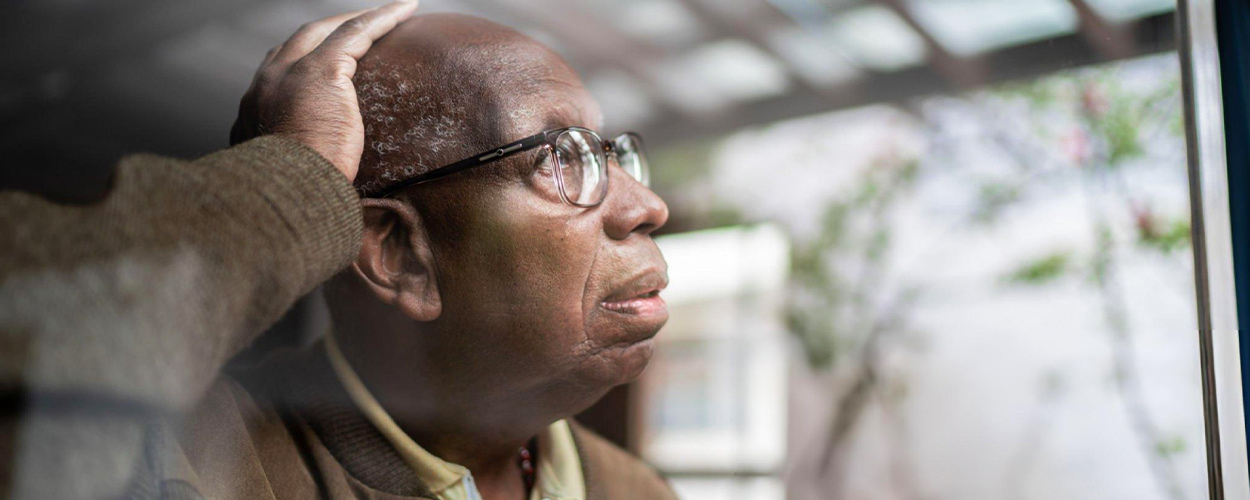
To deal with hallucinations in the elderly, caregivers in senior care and dementia care facilities undertake non-pharmacological approaches and medical intervention.
Non-pharmacological Approaches
Non-pharmacological approaches involve making the elderly participate in meaningful, safe, and comfortable activities. They ensure the individual is reassured and validated. The approaches encourage seniors to perform physical exercise and follow a healthy diet. The facilities also have trained therapists to perform cognitive behavioral interventions on them.
The other non-pharmacological approaches include turning on lights in the rooms and other areas. This helps reduce shadows or distortions on the walls, floors, and furniture. Shadows or distortions can trigger hallucinations among seniors with dementia. Similarly, staff at the facilities ensure certain noises that seniors can misinterpret are minimized or removed.
In certain situations, the elderly may feel that they are looking at a stranger when they look in the mirror. Therefore, the staff covers mirrors with a cloth or removes them. Certain patterns and textures, like the designs on tiles, carpets, or surfaces, may make the elderly feel confused and distressed. The staff removes such patterns to avoid such hallucinations among seniors.
Medical Intervention
When non-pharmacological approaches don’t work, medical professionals in the facilities provide medical intervention to seniors. This also includes management of medications.
You may be finding it difficult to deal with a senior with dementia-related hallucinations at your home. Therefore, you need to admit him to a senior care facility or a dementia care facility.
Trained Professionals
These facilities have trained and qualified caregivers, therapists, and medical professionals. They can help to deal with hallucinations in a caring, safe, and compassionate manner. Moreover, the facilities have a calm, comforting, and supportive environment for hallucination management.
Extensive Knowledge of Hallucinations
The staff have in-depth knowledge of different kinds of hallucinations and various ways to manage them. They monitor the behavior and activities of the elderly experiencing hallucinations. Moreover, the staff intervenes quickly to ensure their safety and well-being. They also document the history, medication, and response of seniors to hallucinations. The documentation is necessary to guide the care given to seniors and ensure their safety.
The staff at the facilities can even deal with the elderly who may feel paranoid and delusional, which can worsen their behavior and cognition. A decline in condition can interrupt their daily and social activities. This, in turn, can affect their sleep and overall well-being. In certain hallucination-related conditions, seniors may be a threat to themselves and those around them. Thus, the staff at these facilities can effectively deal with all kinds of hallucinations among seniors with dementia.
It may be difficult for caregivers in homes to deal with hallucinations and dementia among the elderly due to various reasons. Therefore, they need to move the seniors to senior care facilities or dementia care facilities managed by Star Capital. The facilities have trained and qualified staff, and a calm and supportive environment. They enable effective management of hallucinations at various stages of dementia. The care and support provided in the facilities help maintain seniors’ safety, health, and well-being.

42220 Sweet Court
Chantilly, VA 20152
Phone : 571-406-7827
GOOSE CREEK MANOR
104 Marylin Street
Goose Creek, SC 29445
Phone : 843-572-7442
SHULER HEALTH CARE
250 pitts street, kernersville,
NC, 27284
Phone : 336-996-0772
CYPRESS MANOR
503 W Buncombe Street,
Roper, NC, 27970
Phone : 252-791-0002
ELTON RCH
30 W Main Street,
Waterbury, CT, 06702
Phone : 203-756-1229
Waterbury Garden RCH
128 Cedar Ave,
Waterbury, CT
Phone : 475-306-6888

