Long-Term Care is our core platform. Actively pursuing Pharmacy, Distribution & Consumer/Beauty acquisitions (EBITDA $600K+).

Looking after a dementia patient is overwhelming; that is where Caregivers play a crucial role in dementia care. A person in your family caring for the loved one with dementia is both financially and emotionally draining. That is why there is a need for a professional caregiver for dementia care. Sometimes, it is difficult to understand the needs of senior citizens with dementia. This may frustrate both seniors and caregivers. It is important to keep good communication to understand their needs. This can also conserve the caregiver’s energy. In this blog by Star Capital, we will discuss some dementia caregiver tips that help caregivers better understand the needs of dementia patients, ultimately improving their daily lives.
Sleep Disruption
One of the disturbing issues for caregivers is sleep difficulties. Senior citizens with dementia face difficulty sleeping. They may wake up at night and can experience anxiety. This needs constant care. Because of this issue, caregivers may disturb their own sleep. It is important to maintain a healthy balance in caregiving to improve sleep habits.
Emotional Stress
It is quite emotionally draining to care for a loved one with dementia. You may feel mixed feelings, particularly when communication becomes challenging. In addition, most of the caregivers set high expectations, and when they don’t get the desired result, they feel demotivated and doubt themselves.
Social Isolation
It becomes difficult to maintain your relationships with your family or friends due to dementia caregiving. It is challenging to take care of seniors struggling with dementia stages. Many caregivers distance themselves from social connections due to a lack of time. Isolation can have a negative impact on mental health. That is why it is crucial to maintain social interaction.
Neglecting Self-Care
Caregivers put the needs of the senior citizens as a priority. They forget to take care of themselves. Skipping meals, sleeping less, and not exercising will only deteriorate health. That is why maintaining an active lifestyle and prioritising self-care can result in a significant positive impact on your health.
Behavioral Changes
Dementia caregiving can drastically impact behavior. You may face mood swings, anxiety, or aggressiveness. This behaviour can be very distressing. In such a situation, you require dementia caregiver tips to tackle this problem. Try to stay calm and patient. Moreover, managing everyday challenges will improve the habit of responding, not reacting.
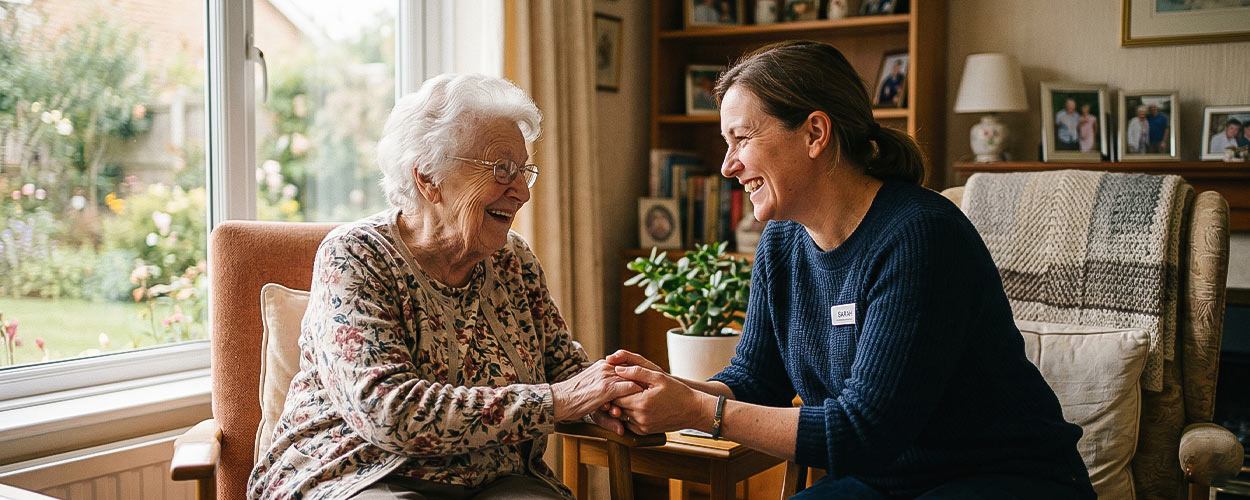
Think About What You Can Do
With seniors with dementia, you can’t predict what you will accomplish at the end of the day. It is important not to expect more from yourself. Just go with the flow and believe in yourself. Don’t expect a higher result at the end of the day. Just provide daily support and a safe environment.
Be Kind to Yourself
Dementia patients do not understand things easily. They need things to be repeated to understand the same thing. You must communicate clearly and calmly and use fewer words to avoid confusion. If you do not get the desired result, do not feel demotivated. Just be patient.
Celebrate Every Connection
Caring for seniors with dementia can be challenging. As a caregiver, it is important to find happiness in meaningful moments with your close ones. This emotional connection can reduce stress and provide emotional comfort.
Be Open to Change
Remember, things don’t always go as planned. Adjusting your approach, for example, in activities for dementia patients, including a change in communication style and care techniques, can be very helpful. It can alleviate stress and foster a supportive atmosphere.
Don’t Hesitate for Help
Caregiving alone is very tiring. If someone offers help, do not hesitate. Sharing the responsibility does not mean you can’t do it. It is important to share the load to keep your mental and physical health on track. This also ensures the older adult is receiving the proper care.
Prioritize Social Time
It is important to stay connected with others. Your social life also matters. Carving out time for a get-together with friends or family can be a real stress-buster, and it often brightens your day. This helps you feel supported emotionally and gives you a small mental break.
Give Yourself a Break
Dementia stages require intensive care. Therefore, it is important to take regular breaks. Small breaks can refresh your mood and make you feel more in control. It is absolutely ok to step back and rest for a moment to recharge yourself.
Make Consistent Daily Routines
Performing daily routine activities brings stability. Moreover, it reduces uncertainty and makes a familiar and calmer environment around you. This also makes you organized and puts everything in your control. With this, you can live a more balanced life.
Join Caregiver Support Group
Joining a caregiver support group allows you to discuss similar challenges. You will find similar people there with whom you can share your feelings. With a caregiver support group, you can feel confident and provide care to seniors dealing with different stages of dementia.
The caregiving journey for seniors with dementia is filled with many challenges. Even though you feel your responsibilities are more, don’t forget you are not alone. By following simple dementia caregiving tips, you can live a more balanced life. At Star Capital, we not only provide compassionate dementia care but also look after caregivers. We support their physical and emotional health by providing professional guidance at every point.
Self-care is essential. In this manner, you can provide older adults with the proper care they deserve.
Routine activities are necessary not only for dementia patients but also for caregivers. For caregivers, through a consistent routine, they can have full control over their activities.
If you are feeling burdened and it is having a bad impact on your health, then it is important to ask for help or professional assistance.
Yes. Joining support groups can support caregivers emotionally. Sharing thoughts in the same community can feel lighter, and one can gain practical guidance.
Caregivers can handle stress by taking regular breaks, socializing with friends, prioritizing self-care, and joining caregiver support groups.

Whispering Winds RCH
37 Clarks Ave,
East Haven, CT 06512
Phone : 571-406-7827
Email: wwinfo@wwrch.com
42220 Sweet Court
Chantilly, VA 20152
Phone : 571-406-7827
SHULER HEALTH CARE
250 pitts street, kernersville,
NC, 27284
Phone : 336-996-0772
503 W Buncombe Street,
Roper, NC, 27970
Phone : 252-791-0002
ELTON RCH
30 W Main Street,
Waterbury, CT, 06702
Phone : 203-756-1229
Waterbury Garden RCH
128 Cedar Ave,
Waterbury, CT
Phone : 475-306-6888