Long-Term Care is our core platform. Actively pursuing Pharmacy, Distribution & Consumer/Beauty acquisitions (EBITDA $600K+).
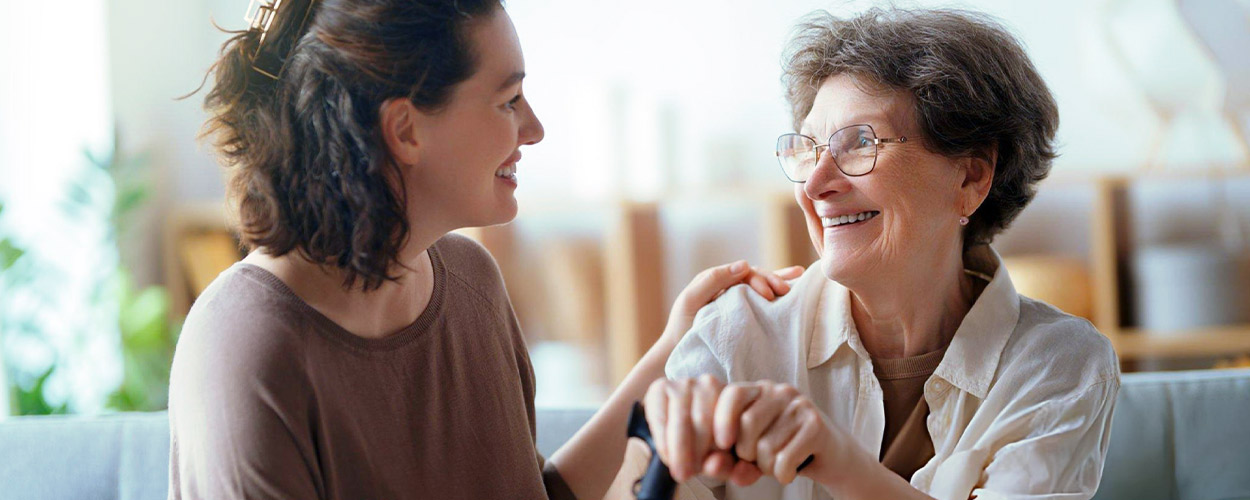
Seniors in their advancing years may develop various health conditions that affect their health and well-being. One such condition is dementia, which can cause memory loss among the elderly and give rise to various other symptoms. They include confusion, difficulty in performing mental tasks, communication issues, hallucinations, and disturbances in sleep. When a senior family member is diagnosed with dementia, it can profoundly change family dynamics. This change manifests in a change or reversal in relationships among family members. Moreover, there is a change in the roles, priorities, and responsibilities. In this blog by Star Capital, we will discuss how changes in the dynamics of family members can impact the care and well-being of seniors with dementia.
Family dynamics means interactions and emotional connections among family members and relatives. The dynamics also include the roles they perform and their relationships with each other. They define how a family functions, manages conflicts and challenges, and expresses emotions. Various factors shape the interactions, behaviours, and other dynamics among family members.
The dynamics in a family can change on account of the dementia condition of their elderly family member. The relationships that were equal before the diagnosis of dementia change to care-dependent ones after the diagnosis. They can give rise to a myriad of emotions among family members, including guilt, grief, and uncertainty.
Family members who become caregivers may develop feelings of grief. They feel like this when they administer the care to their elderly parent who cared for them years ago. The care includes assisting the elderly in various daily living activities like feeding, bathing, and dressing. Their roles and priorities get reversed or changed in response to their elderly family member’s condition. Some family members have to devote more time and effort to care for the affected family member in comparison to other members. They may also have to provide financial support for the care. Their share in the support can be full, major, or minor.
The dynamics among family members may become better or worse depending on their communication and understanding. Better dynamics in families can have a positive impact on the elderly member’s condition. Compared to this, negative dynamics can contribute to a further decline in the patient’s condition.
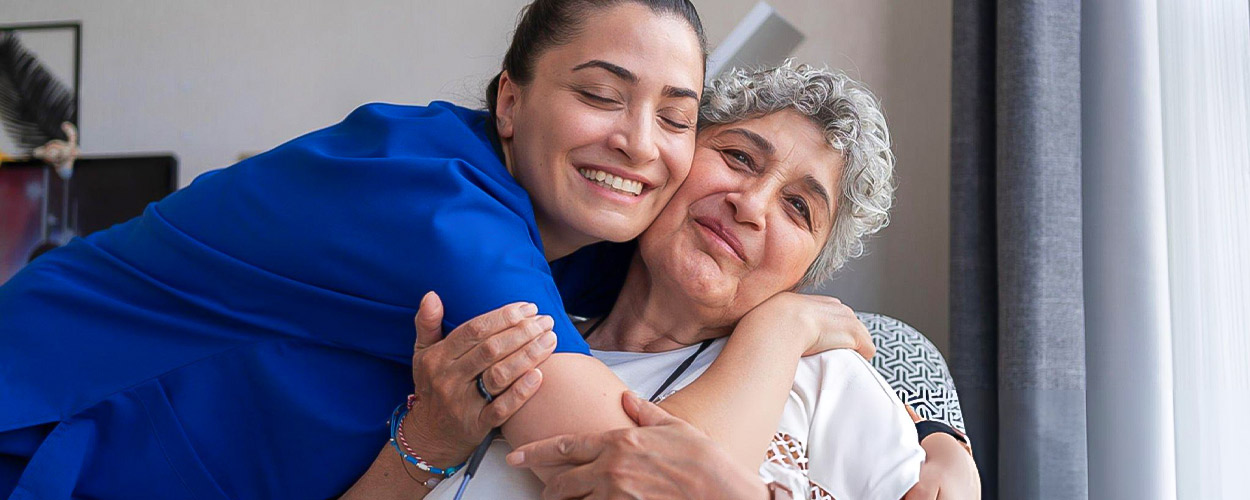
There are different types of family dynamics in families where an elderly family member has a dementia condition. Various factors can impact these dynamics. They include symptoms of the elderly, which can be progressive in nature. Other factors can be shifting roles and responsibilities of family members. Still others can be the emotional and psychological impact of the dementia condition on them, and social factors.
The Primary Caregiver Dynamic
Here, one family member performs most of the caregiving responsibilities. He can be the spouse or adult child of the elderly family member.
Shared Caregiving Dynamic
Here, siblings or relatives divide the care-related responsibilities among themselves.
Long-Distance Caregiver Dynamic
Some family members live distantly from the elderly family member. But they can contribute remotely in terms of arranging finance and managing doctors’ appointments.
Denial or Avoidance Dynamic
Some family members have difficulty accepting the dementia diagnosis, or they may deny it outright.
Conflict-Driven Family Dynamic
There may be existing tensions among family members. These tensions may worsen while making various caregiving decisions. They include arranging finances, settling inheritance-related matters, etc.
Family dynamics and the dementia condition of the elderly family member are closely intertwined. Positive dynamics can have a positive impact on the health and well-being of the elderly family member. This is because there is improved communication and engagement among other family members. They all contribute to the care and perform activities together. They take turns providing the care. Therefore, no single family member gets overburdened. Family members have a warm, respectful, and patient demeanor. This helps to create a safe and stable environment for the elderly’s care.
Negative family dynamics can reduce the overall quality of care. They include poor communication, high conflict among family members, or caregiver burnout. The dynamics can also exacerbate behavioral symptoms among the elderly family member with dementia. This is because dementia patients are increasingly sensitive to their environment. Therefore, increased tension in the household can increase feelings of agitation, restlessness, or aggression in the patient.
To improve dynamics among family members, they should regularly talk with each other to share their feelings, emotions, and opinions. They should patiently and empathically listen to what others say and adapt themselves accordingly. This helps to mitigate conflicts among them and improves understanding and coordination among them. This consequently impacts the care of the elderly family member in a positive way.
Shifting an elderly person with dementia to an assisted living facility or dementia care facility can also help improve family dynamics. It does this by reducing caregiver burnout and allowing family members to focus on spending quality time rather than performing daily care. The transition helps enhance the safety, health, and well-being of the elderly patient in the facility because he receives personalized and effective care and support.
Assisted living facilities and dementia care facilities from Star Capital provide effective care and support to the elderly with dementia. They are equipped with all the necessary services, staff, and facilities. These include trained caregivers, therapists, and medical professionals, and personalized wellness programs. Moreover, the facilities have all the necessary safety equipment in place. They also provide a supportive, secure, and compassionate environment to elderly people with dementia.
Your elderly family member with dementia will live with other seniors here. They will also perform various activities together. These include performing exercises, pursuing creative pursuits, etc. This helps to promote a sense of belonging among them.
The staff in these facilities is available 24/7 to monitor the activities of seniors and intervene rapidly in emergencies. Moreover, there is enhanced focus on maintaining the health, well-being, and safety of seniors in these facilities. This will relieve you from the need to perform various caregiving tasks yourself. This, consequently, will help to improve your dynamics with other family members. Moreover, you can focus freely on performing your household and professional tasks.
The dynamics between family members are their behaviors, interactions, relationships, and roles. They change after their elderly family member is diagnosed with dementia.
An elderly family member being diagnosed with dementia can give rise to various feelings among other family members. They include feelings of grief, guilt, and uncertainty.
Positive dynamics among family members can help to improve the condition of elderly family members with dementia. Negative dynamics can lead to a decline in their condition.
They can improve dynamics by talking to each other regularly and patiently listening to the viewpoints and opinions of other members. This helps them adapt accordingly to care for the elderly family member with dementia.
Dementia can give rise to dynamics like the primary caregiver, shared caregiving, and long-distance caregiver dynamics. The other dynamics are denial or avoidance, and conflict-driven family dynamics.
Whispering Winds RCH
37 Clarks Ave,
East Haven, CT 06512
Phone : 571-406-7827
Email: wwinfo@wwrch.com
42220 Sweet Court
Chantilly, VA 20152
Phone : 571-406-7827
SHULER HEALTH CARE
250 pitts street, kernersville,
NC, 27284
Phone : 336-996-0772
503 W Buncombe Street,
Roper, NC, 27970
Phone : 252-791-0002
ELTON RCH
30 W Main Street,
Waterbury, CT, 06702
Phone : 203-756-1229
Waterbury Garden RCH
128 Cedar Ave,
Waterbury, CT
Phone : 475-306-6888